01
Routine maintenance
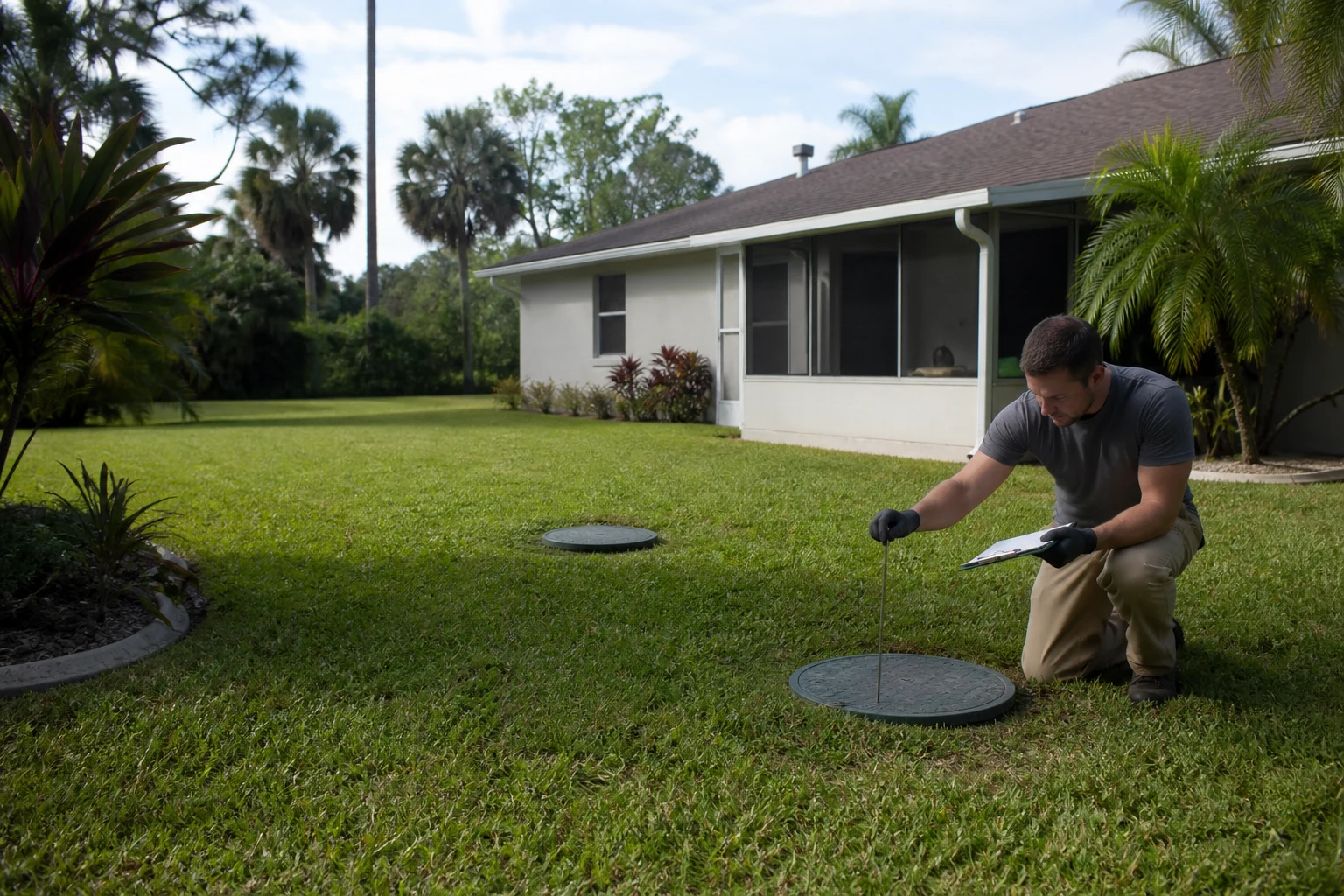
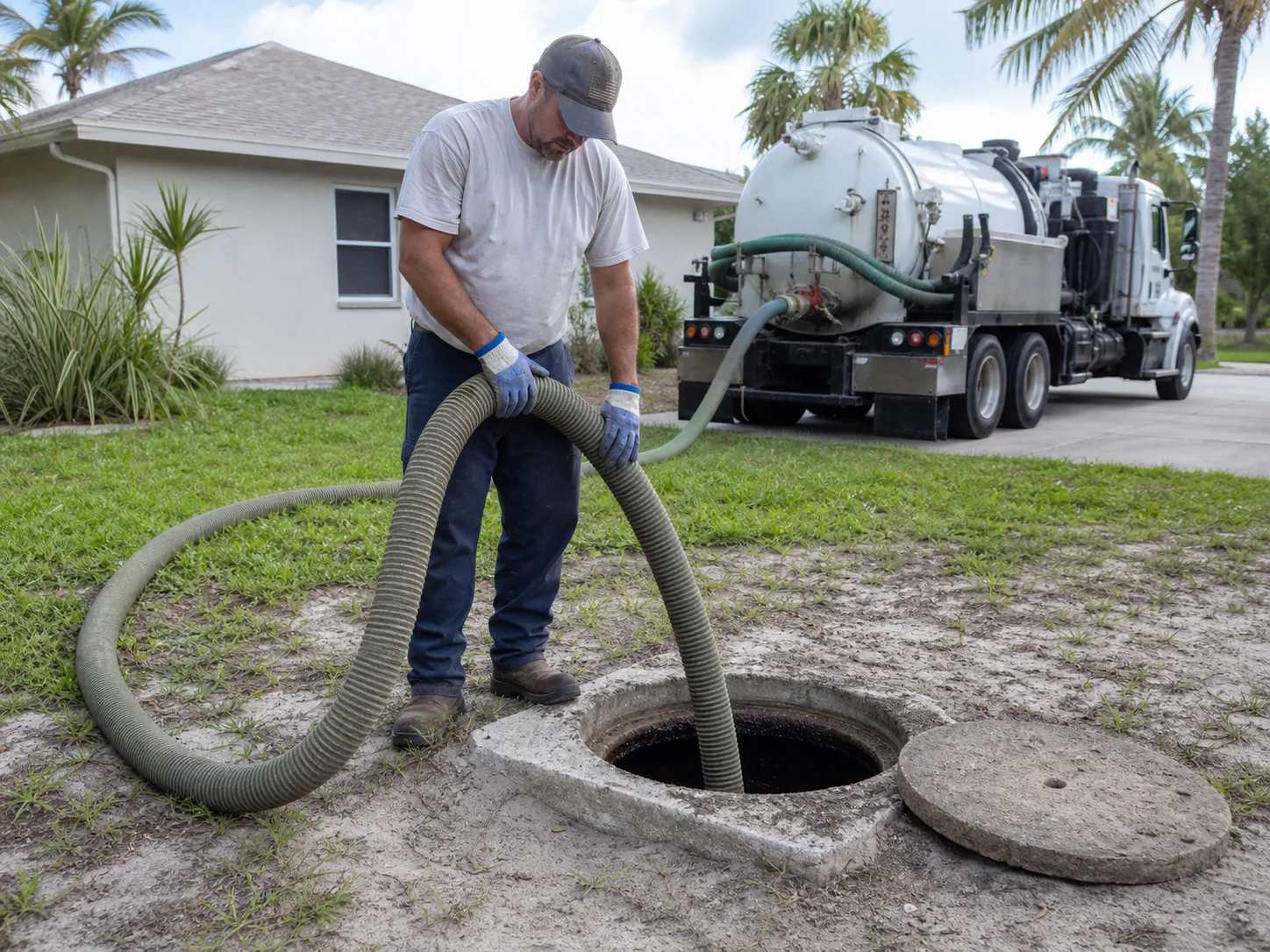
Septic tank pumping
Plan access, tank size, disposal and the observations that should be recorded during pump-out.
Explore this service →Septic pumping and repair help in Palm Bay
Understand the warning signs, permit context and written scope before a small septic concern becomes a backyard emergency.
What can we help with?
Septic services
Tank access, occupancy, pumping history, observed levels, component condition and permit responsibility belong in a useful written scope.
Routine maintenance
Plan access, tank size, disposal and the observations that should be recorded during pump-out.
Explore this service →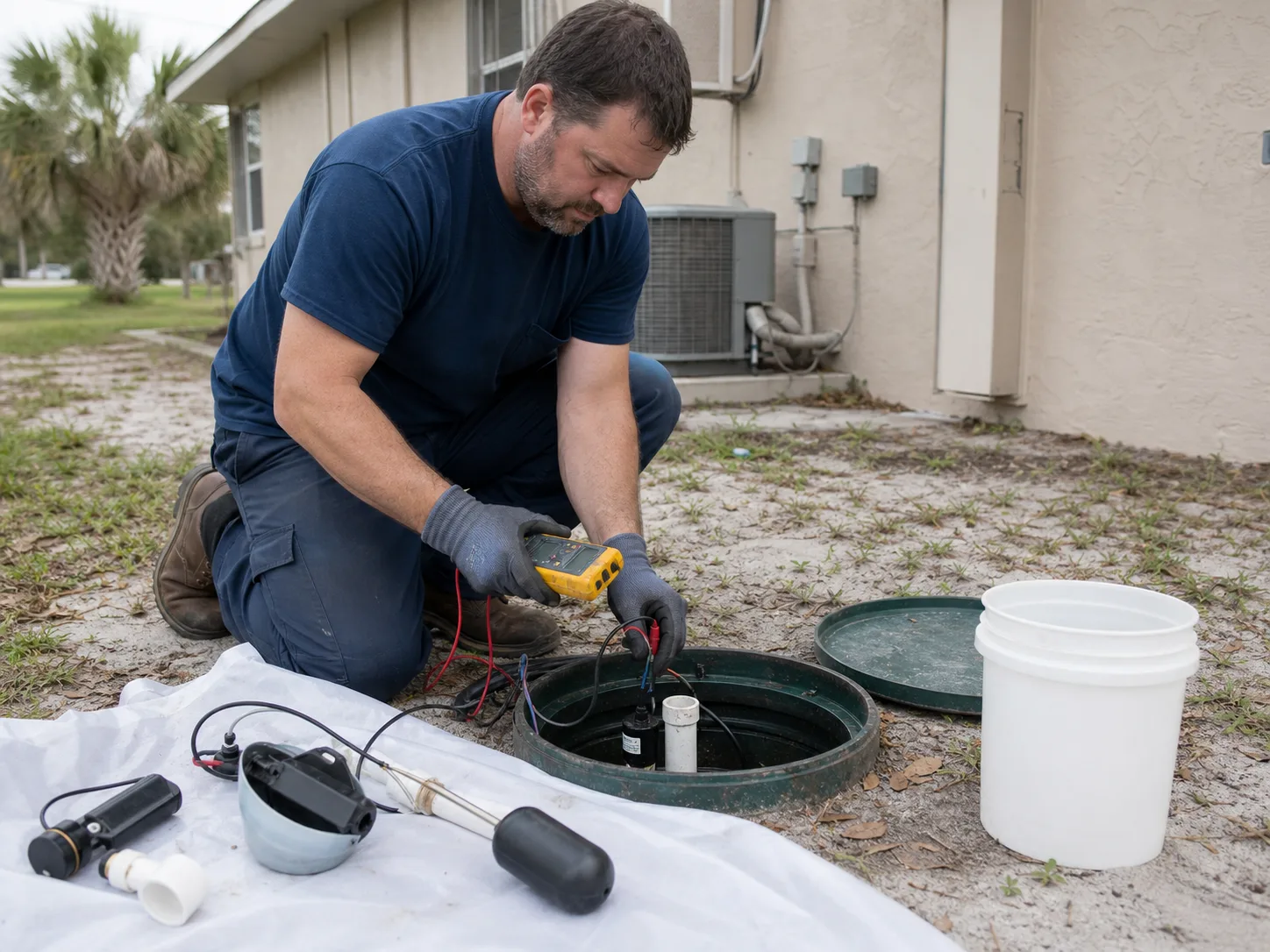
Find the cause
Separate tank level, line, filter, pump, float and drain-field concerns before replacing parts.
Explore this service →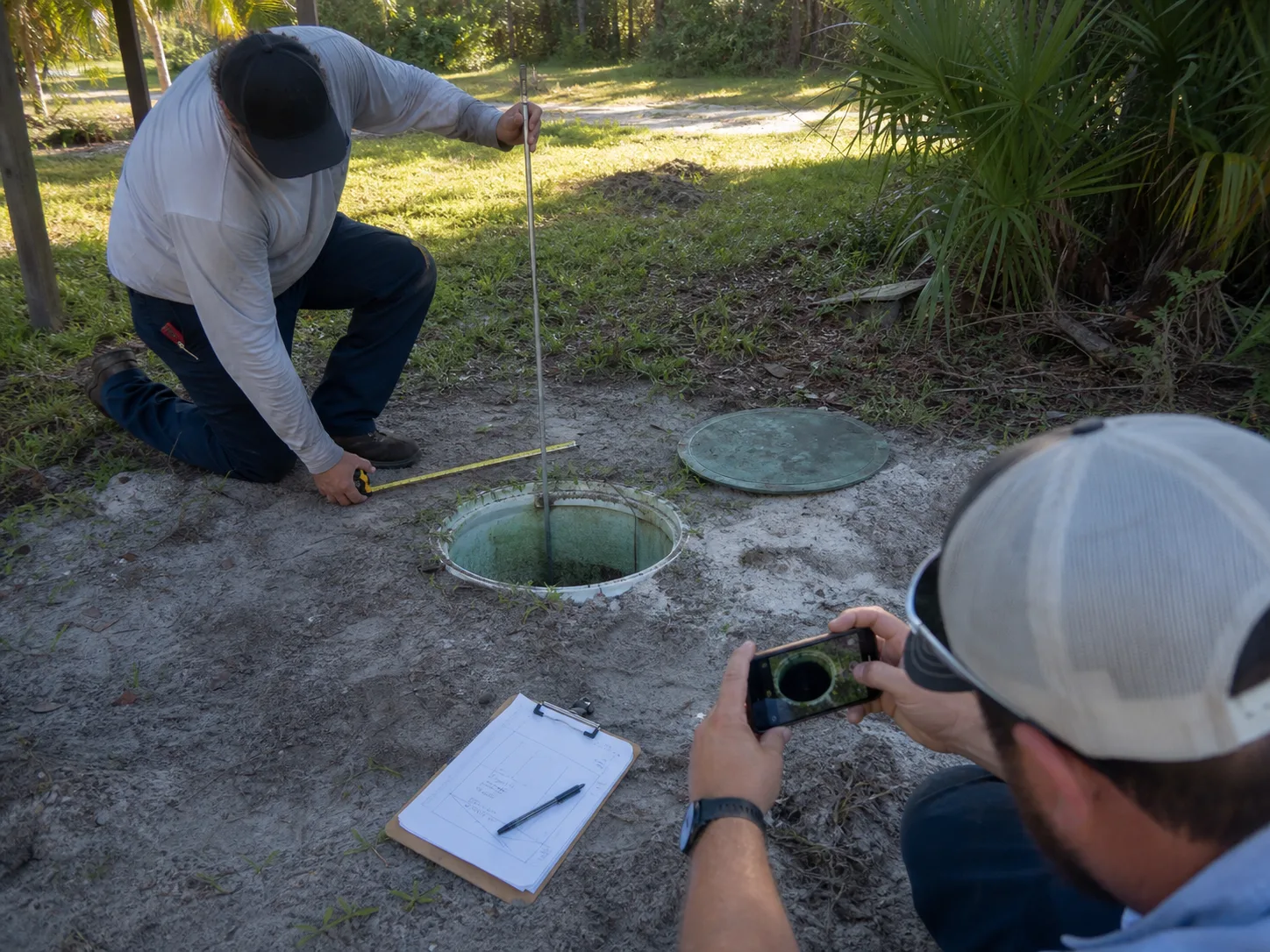
Documented condition
Review records, access, levels and visible components for a purchase or an unclear service history.
Explore this service →Brevard County permit context
Brevard County publishes onsite sewage permit resources and information about septic upgrades in the Indian River Lagoon protection program. Requirements can depend on the exact parcel, sewer availability, system type and current agency rules.
Useful details before the first visit
Know the last pump date.If it is unknown, say so; do not invent a maintenance history.
Describe every symptom.Record indoor drains, alarms, odors, wet soil and when the condition appears.
Keep the area safe.Do not open a tank yourself or allow people and pets near sewage or unstable lids.
A plain-English starting point
| What you notice | Possible approach | What still needs inspection |
|---|---|---|
| Routine maintenance, no active symptoms | Pump-out plus basic observations | Access, tank level, solids and visible condition |
| Alarm, gurgling or recurring backup | Prompt diagnostic visit | Tank, line, filter, pump, floats and loading |
| Wet or odorous drain-field area | Drain-field evaluation | Hydraulic loading, distribution and soil condition |
| Purchase or missing history | Documented septic inspection | Records, access, levels and system components |
Educational comparison only. Sewage exposure, active backups and unsafe lids require prompt professional attention.
How requests work
Useful project details make it easier for an independent provider to confirm fit, timing and the next sensible step.
Share occupancy, last pump date, exact symptoms and known records.
An available provider reviews urgency, service area, access and likely scope.
Compare diagnosis, pumping, repairs, permits, exclusions and price.
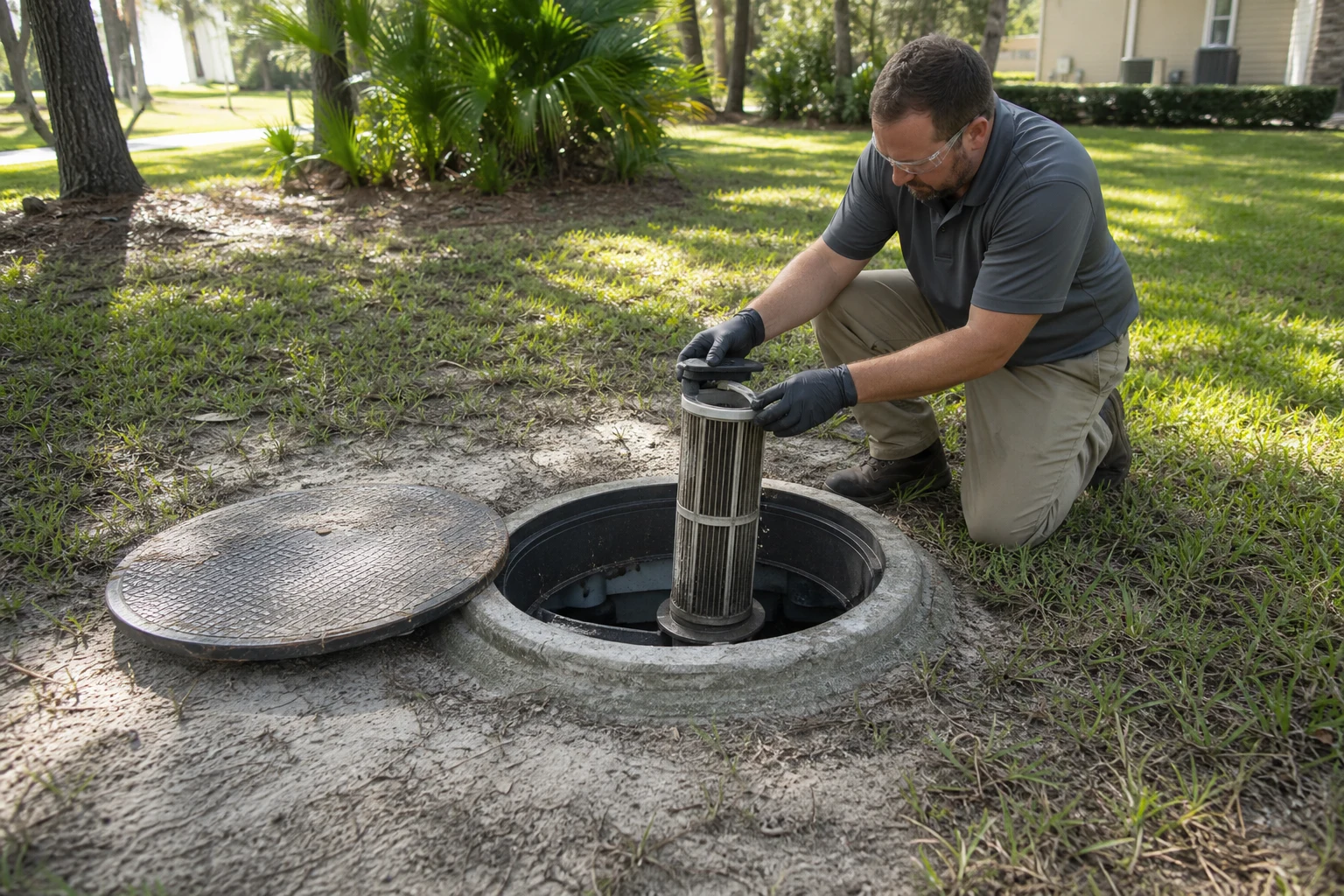
Prepare for the first visit
Frequently asked questions
There is no one interval for every household. Tank size, occupancy, solids loading, garbage-disposal use and prior observations all matter. Ask a provider to document conditions rather than relying only on a calendar.
Not necessarily. Confirm what components can be observed, whether levels and condition will be documented, and whether pumping is included in an inspection proposal.
A standard residential pump-out may plan around $325–$650 when access and tank details are straightforward. Diagnosis, difficult access, after-hours timing or repairs can add cost. These are not bids.
No. Verify the exact parcel, current sewer availability, system type and mapped program area before assuming a requirement.
Request local septic help
Share what is happening at the property. An independent provider can confirm urgency, service area, inspection scope and final price.